
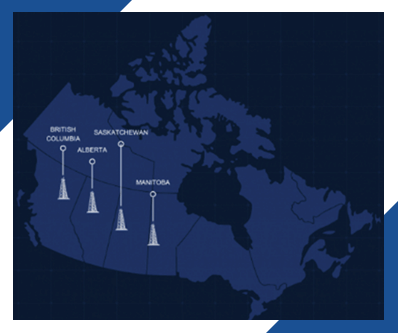
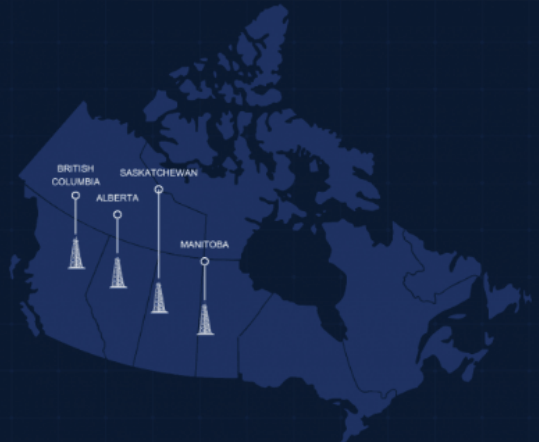
Ensign Energy is actively recruiting for well servicing roles in Alberta. From entry-level to experienced positions, we’re looking for individuals who are ready to work hard, stay safe, and grow their skills in the oilfield.
From floorhands to derrickhands and operators, every crew member plays a key part in keeping rigs safe and productive. You will be part of a professional well servicing crew that looks out for each other, takes pride in doing things right, and values growth on the job.
Search current job openings and begin your path in Alberta’s well servicing industry.

Working on a well servicing rig is fast-paced, physical, and highly rewarding. You’ll be part of a close-knit crew focused on running equipment safely, supporting well operations, and keeping everything running smoothly in the field.
In this role, you will:
You will gain valuable, hands-on experience with key components of a service rig while building technical knowledge that can lead to future advancement.
We are here to support those who show up, work hard, and want to build something long-lasting in the oilfield.
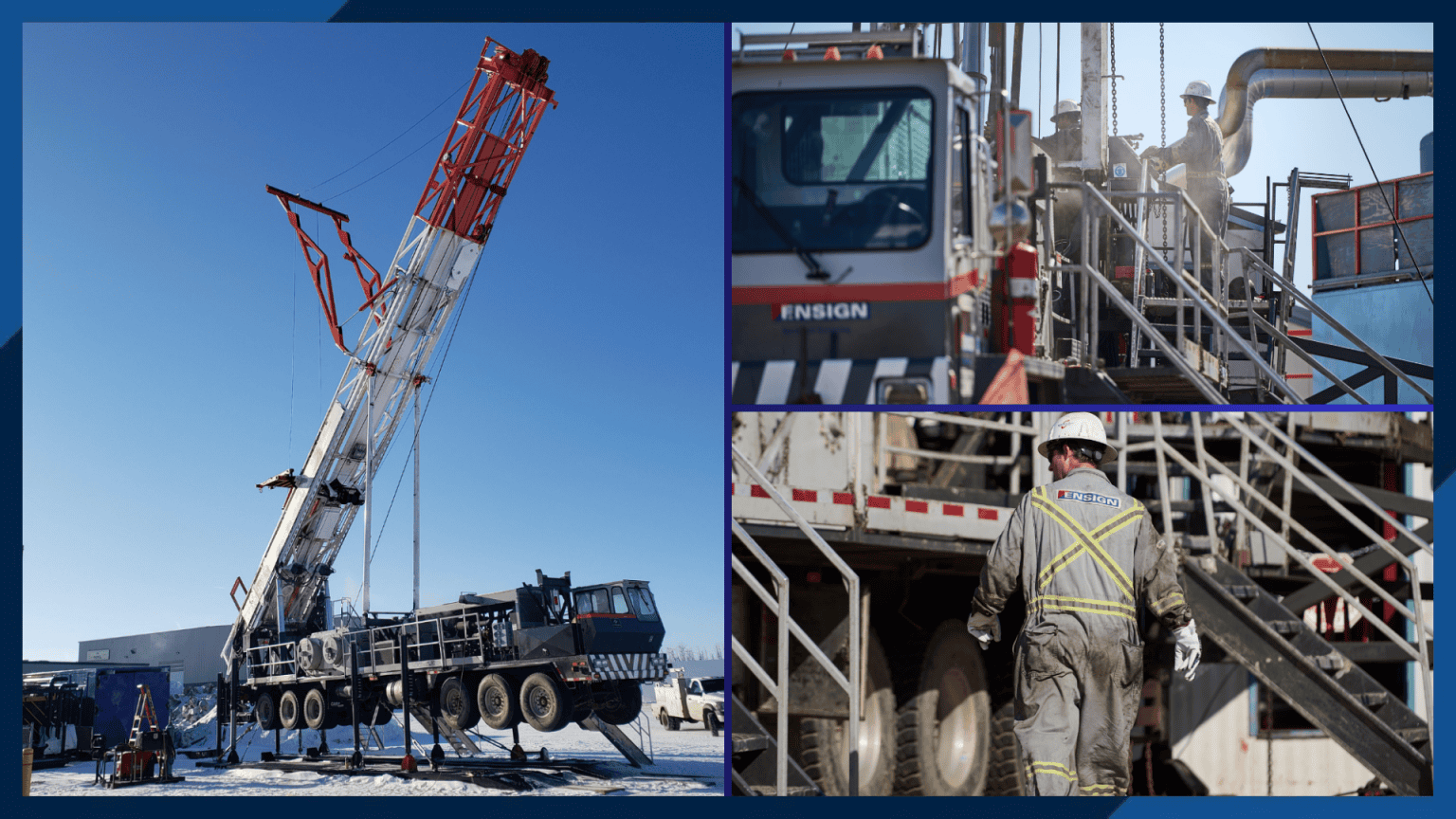
Well servicing in Alberta involves maintaining and repairing oil and gas wells after they have been drilled. Crews operate service rigs to perform essential tasks like pressure control, pipe handling, and equipment inspections to ensure safe and efficient production across Alberta’s oilfields.
Common positions include floorhand, derrickhand, and operator. Each role plays a vital part in the day-to-day operations of a service rig. Entry-level workers begin as floorhands and work their way up with experience and training.
No. Entry-level floorhand positions do not require experience. Positions are open to entry-level applicants who are physically fit, safety-focused, and willing to learn. If you possess valid safety certifications and a strong work ethic, Ensign will provide the necessary training.
Wages vary based on role and experience. Entry-level floorhands can expect competitive hourly pay, while experienced operators may earn significantly more. Additional pay may include overtime, field bonuses, and per diem in remote locations.
Most crews in Alberta work rotational schedules such as 14 days on, 7 days off or 10 and 4. Schedules vary by rig and region, and many roles require staying in man camps or remote locations.
Required certificates are H2S Alive, Standard First Aid, and Common Safety Orientation (CSO). WHMIS and TDG are also required and can be completed through Ensign’s in-house training during onboarding.
Yes. Many of our supervisors and rig managers started as floorhands. With ongoing training, strong performance, and commitment to safety, you can move up quickly within Ensign’s structured career path.